 |
| BIG BEN |
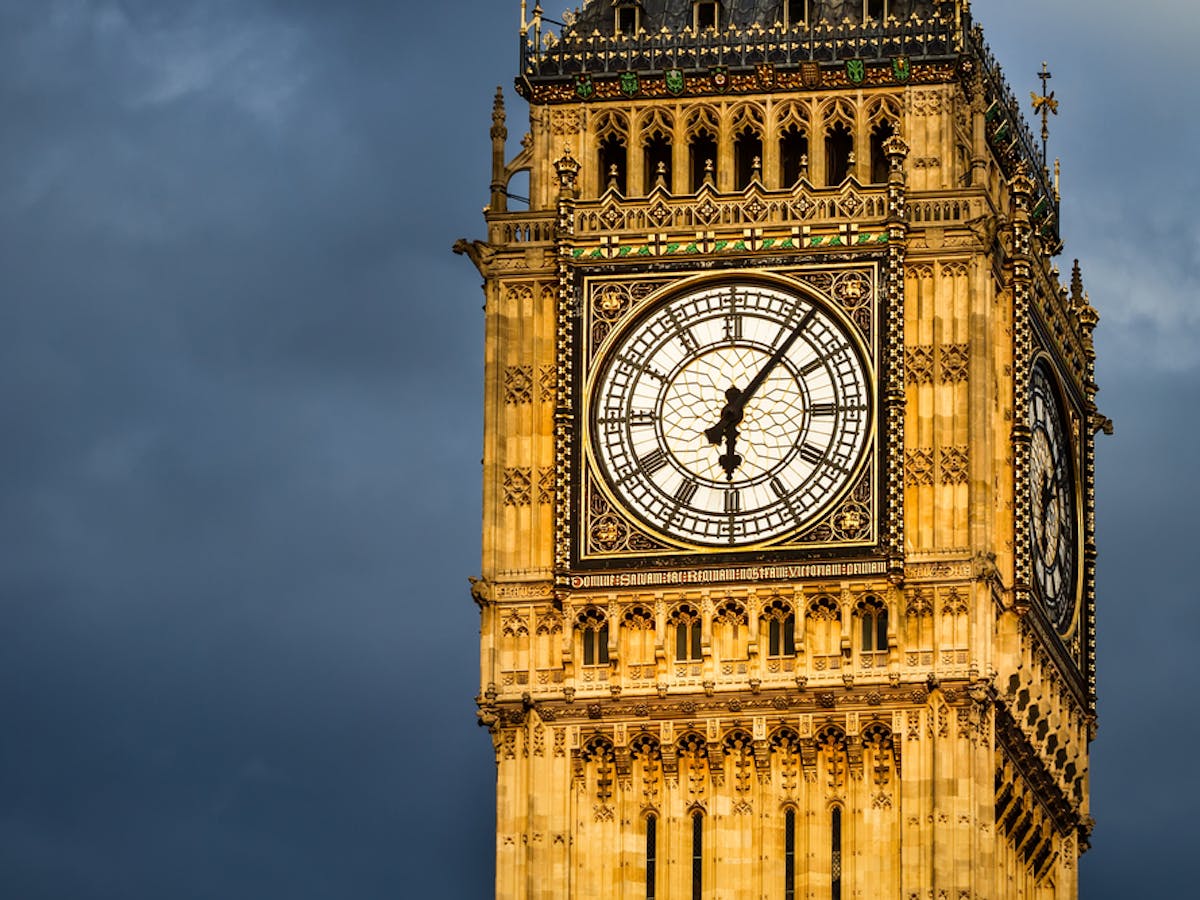
Large Ben, tower clock, popular for its precision and for its monstrous chime. Rigorously talking, the name alludes to just the extraordinary hour chime, which weighs 15.1 tons (13.7 metric tons), however it is regularly connected with the entire clock tower at the northern finish of the Houses of Parliament, in the London district of Westminster. The actual pinnacle was officially known as St. Stephen's Tower until 2012, when it was renamed Elizabeth Tower on the event of Elizabeth II's Diamond Jubilee, commending 60 years on the British high position. The hands of the clock are 9 and 14 feet (2.7 and 4.3 meters) long, individually, and the clock tower ascends around 320 feet (97.5 meters). Initially as a team with the Royal Greenwich Observatory, the rings of Big Ben have been communicated—with a couple of interferences—beginning around 1924 as a day by day time signal by the British Broadcasting Corporation (BBC).
The clock was planned by Edmund Beckett Denison (later Sir Edmund Beckett and Lord Grimthorpe) in relationship with Sir George Airy (then, at that point, stargazer imperial) and the clockmaker Edward Dent. Denison's primary commitment was a clever gravity escapement that granted phenomenal exactness to the clock. In a pendulum clock a getaway wheel is permitted to turn through the pitch of one tooth for each twofold swing of the pendulum and to send a drive to the pendulum to keep it swinging. An ideal escapement would send the drive without meddling with the free swing, and the motivation ought to be just about as uniform as could really be expected. The twofold three-legged gravity escapement planned by Denison for Big Ben accomplishes the second of these however not the first. Large Ben is wound three times each week, and the twisting assumes control longer than 60 minutes. Large Ben is exact to inside two seconds of the week. The pendulum is changed by adding pennies made before the decimalization of the United Kingdom's cash in 1971 to the weight. Every penny makes Big Ben gain 0.4 second out of each day.
In 1852 Dent won the commission to make the extraordinary clock, however he kicked the bucket prior to finishing the venture, and it was thusly wrapped up by his child, Frederick Dent. The clock and chime were introduced together in 1859. The epithet is said by certain history specialists to represent Sir Benjamin Hall, the official of works.
The primary projecting of the chime had fizzled; the subsequent projecting was made by George Mears of the Whitechapel Bell Foundry and was pulled to the pinnacle by a cart group of 16 ponies. Not long after it was introduced, it too fostered a break and was kept unavailable until its maintenance in 1862. Denison pinned the break on the foundry, which sued him for slander (the case was privately addressed any outstanding issues). For a long time during World War I, Big Ben's ringer was quiet to keep adversary airplane from utilizing it to focus on the Houses of Parliament, and during World War II its clock was not enlightened for a similar explanation. In 1934 and 1956 the chime was reestablished and fixed. Upkeep work was performed at work in 2007. On August 21, 2017, Big Ben quit tolling, as the pinnacle was going through a four-year reclamation project during which the chime was booked to ring just for extraordinary occasions, eminently New Year's Eve and Remembrance Sunday.
Places of Parliament
… contains the renowned pinnacle clock Big Ben. Alongside Westminster Abbey and St. Margaret's Church, the Houses of Parliament were assigned an UNESCO World Heritage site in 1987.…


No comments:
Post a Comment